

SUSTAINABILITY
FUTURE OF VIOLIN-MAKING
PODCASTS
Concept credit: “Lutherie School Environmental Curriculum Program of the International Alliance of Violin and Bow Makers for Endangered Species (Alliance). These podcasts were made possible with a grant provided by the Violin Society of America (VSA).”
Every great acoustic instrument begins its life in the forest. For luthiers and instrument makers, understanding where our wood comes from is no longer just a matter of quality—it’s a matter of sustainability.
This curated series of podcasts dives deep into the complex world of forestry, supply chains, and environmental activism.
From the centuries-old management practices of Switzerland to modern-day climate preserves in Montana, these eight episodes challenge us to rethink our role as tonewood consumers and explore how the music industry can help protect the world's most vital ecosystems.
EPISODE 01
INTRODUCTION
In the first episode of "Future of Violin Making," Ceile Kronick and Co-Host Kathy Reilly introduce themselves, what inspired them to make the podcast, and give a sneak preview at what you can expect from the rest of the first season!
Attribution:
This season of The Future of Violin Making is proudly sponsored by the Violin Society of America and Vermont Violins and V. Richelieu Instruments.
EPISODE 02
SUSTAINABILITY
In episode 2, Ceile Kronick and Kathy Reilly, your two hosts, sit down to lay out the framework for what sustainability means and the environmental factors that frame the discussions that will take place over the course of the rest of the season. They discuss how climate change is affecting tree growth, what is driving the change in tonewood over time, and what the key points are that drive the current import/export regulations in the U.S. and E.U.
Attribution:
This season of The Future of Violin Making is proudly sponsored by the Violin Society of America and Vermont Violins and V. Richelieu Instruments.
EPISODE 03
RICK BASS
CLIMATE PRESERVES
In Episode 3, Ceile Kronick meets with Rick Bass, a writer and environmental activist, who has been a driving force behind protecting old growth forests across the United States. Meeting up in Black Ram Forest, so called after the logging project that had been set to take place in this particular plot of land in northern Montana, they discuss what old growth means, how these national treasures impact the broader climate, what is threatening them and what we can do to stop it.
Attribution:
This season of The Future of Violin Making is proudly sponsored by the Violin Society of America and Vermont Violins and V. Richelieu Instruments.
EPISODE 04
MOUNTAIN VOICE TONEWOOD
In episode 4, Kathy Reilly catches up with Sarah from Mountain Voice Inc. at the 2025 VSA convention. Mountain Voice Inc. is a family run business operating within the Canadaian government controlled forests of British Columbia. Recognizing the impacts of climate change, the Canadian government has put in place strict restrictions on logging. In this episode Kathy and Sarah discuss how this and the climate shifts and forest fires that are happening impact the sourcing and availability of tonewood and the lives of those living in the forests boundaries. As these changes take place, Kathy and Sarah ask the question, are we looking for unicorns?
Attribution:
This season of The Future of Violin Making is proudly sponsored by the Violin Society of America and Vermont Violins and V. Richelieu Instruments.
EPISODE 05
TONEWOOD SWITZERLAND
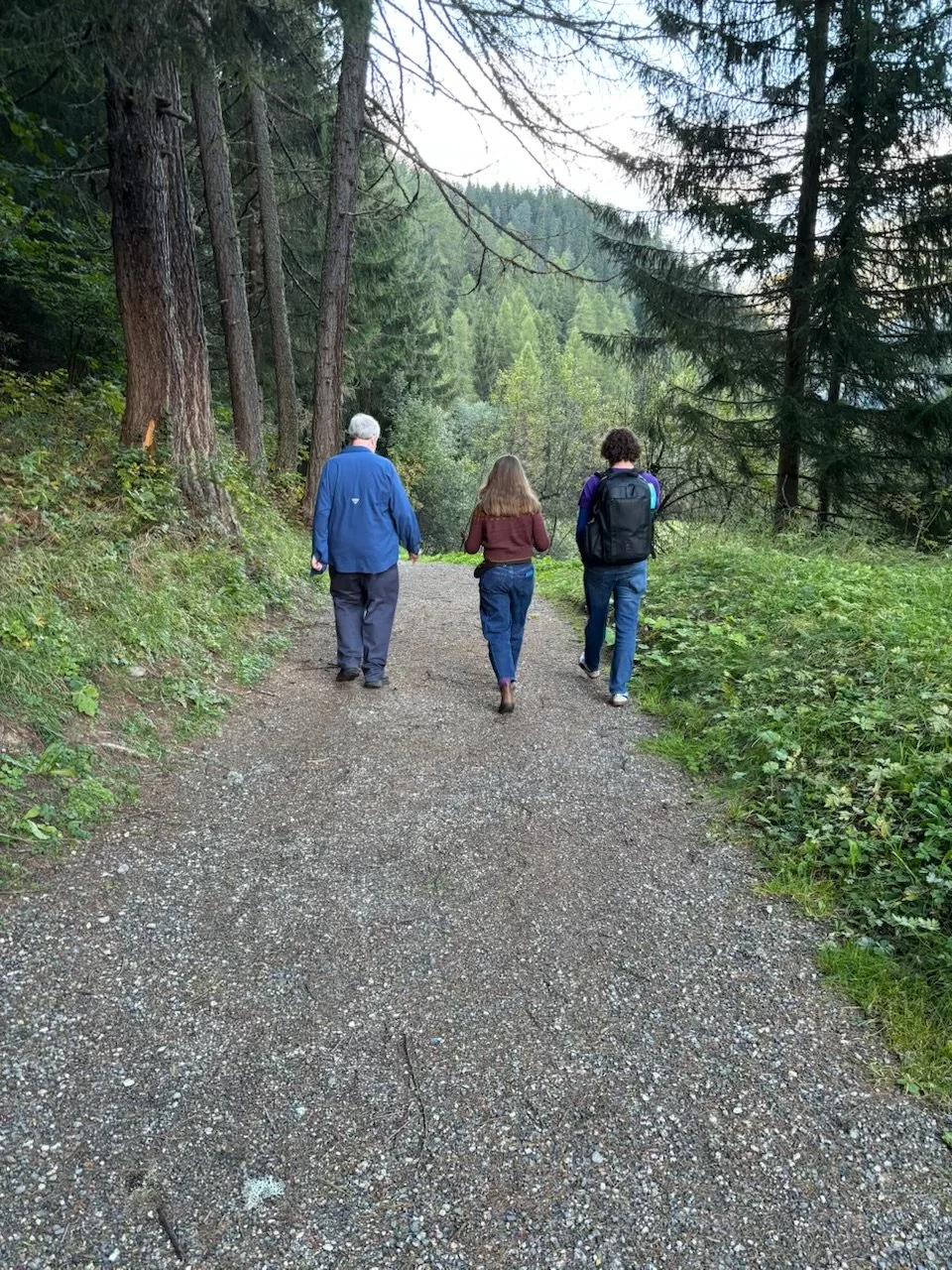
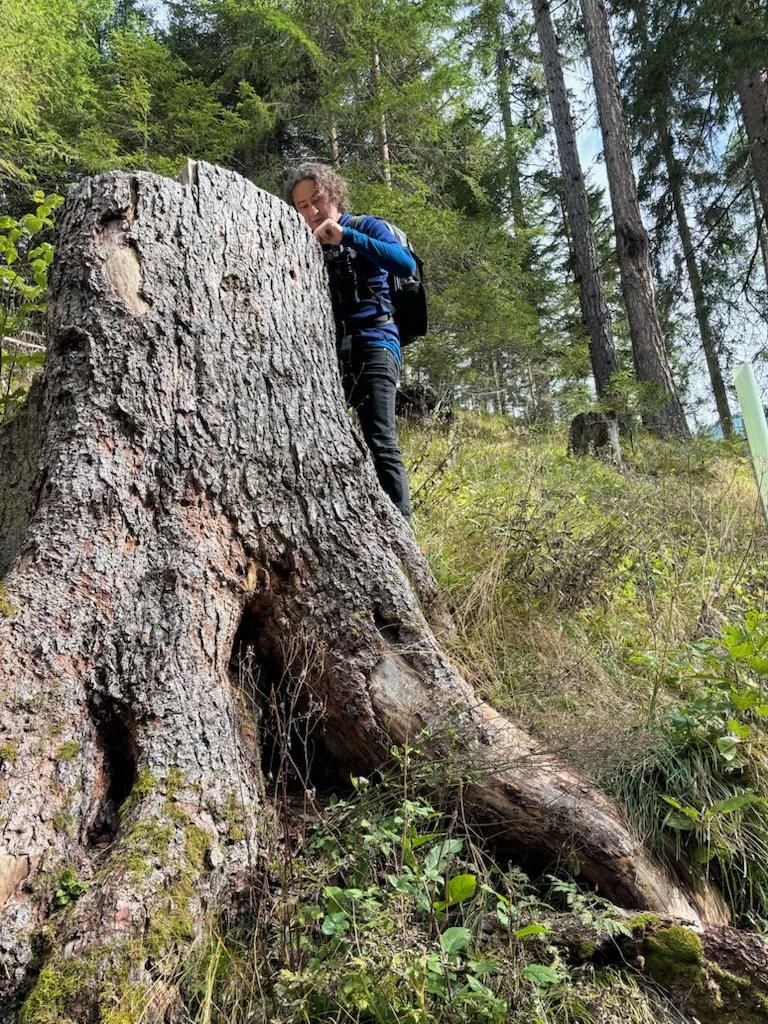
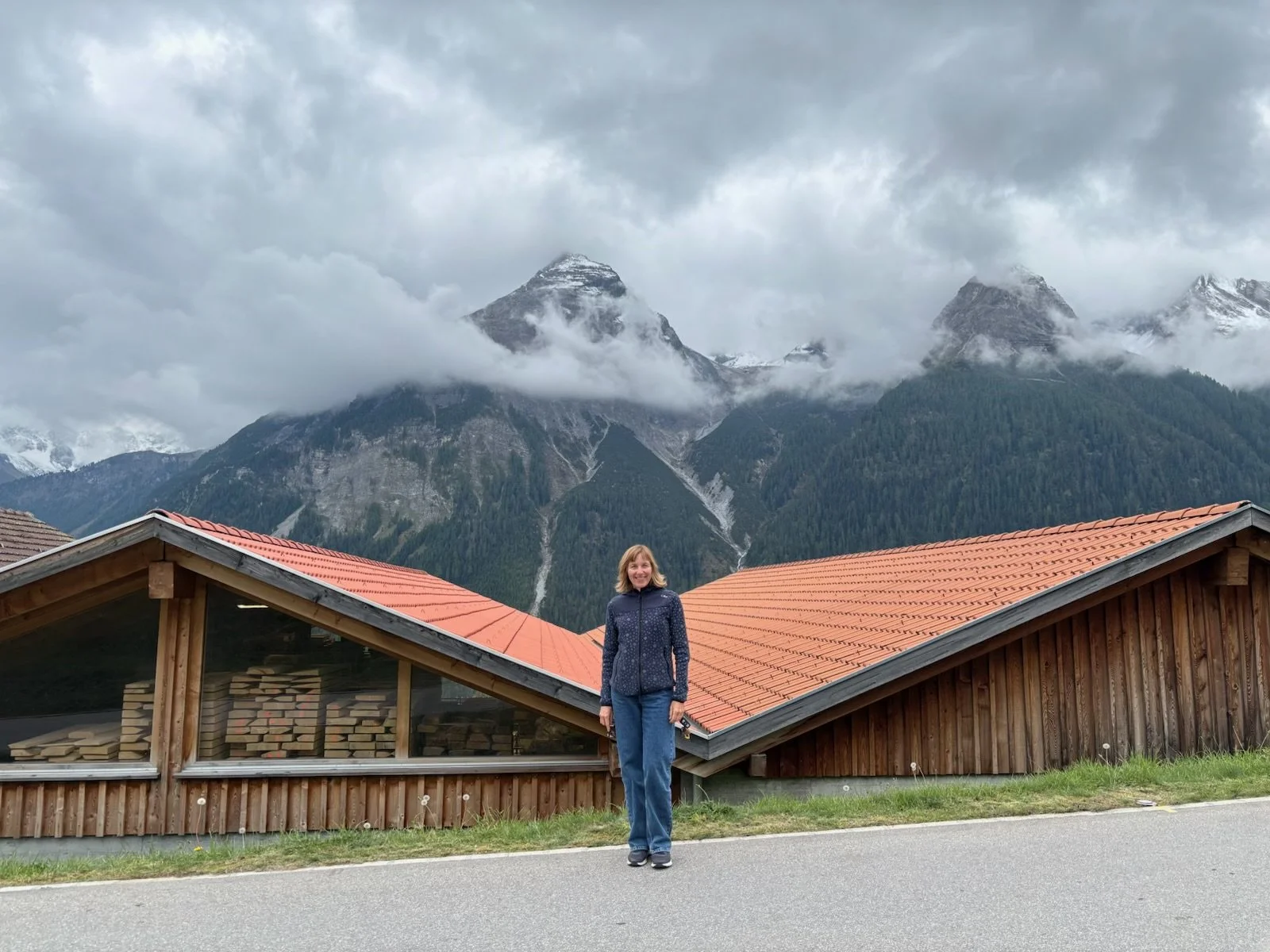
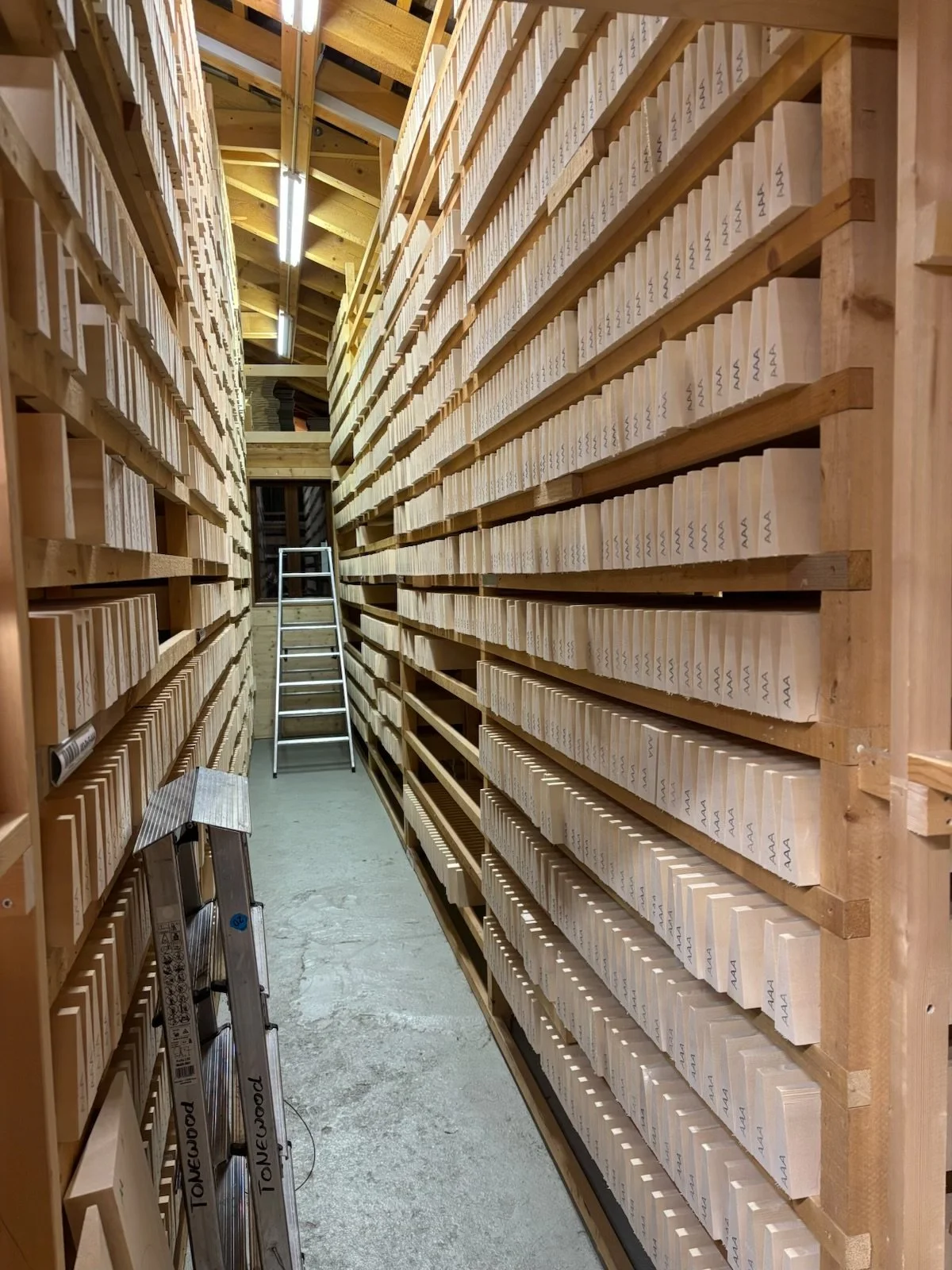
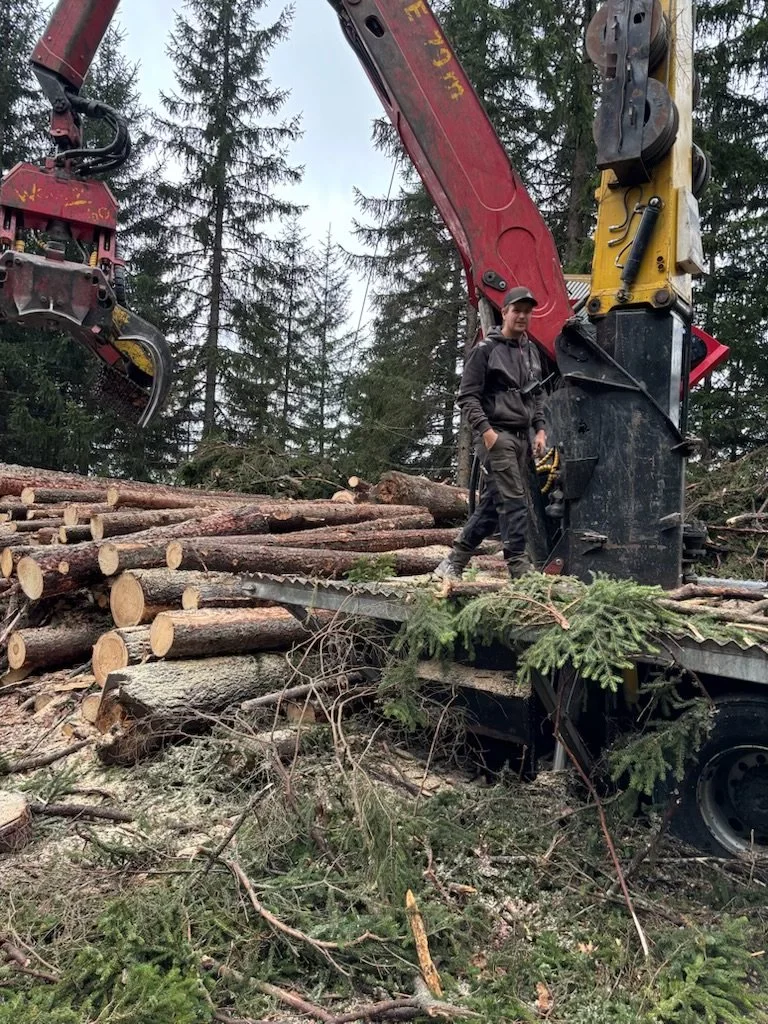
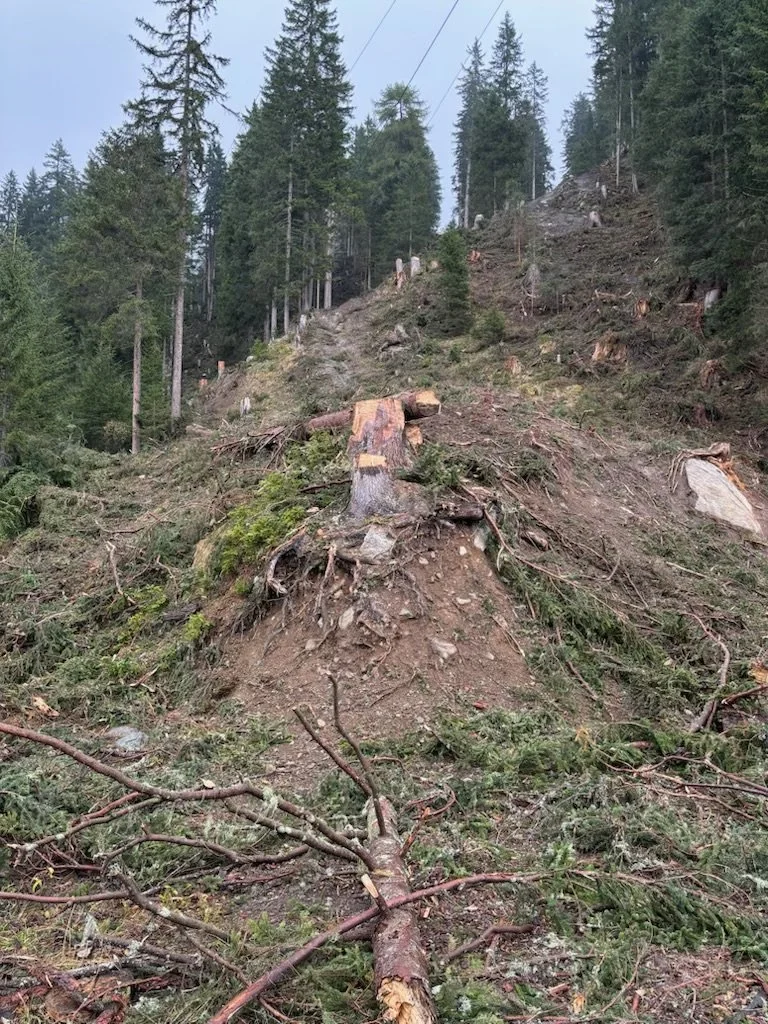
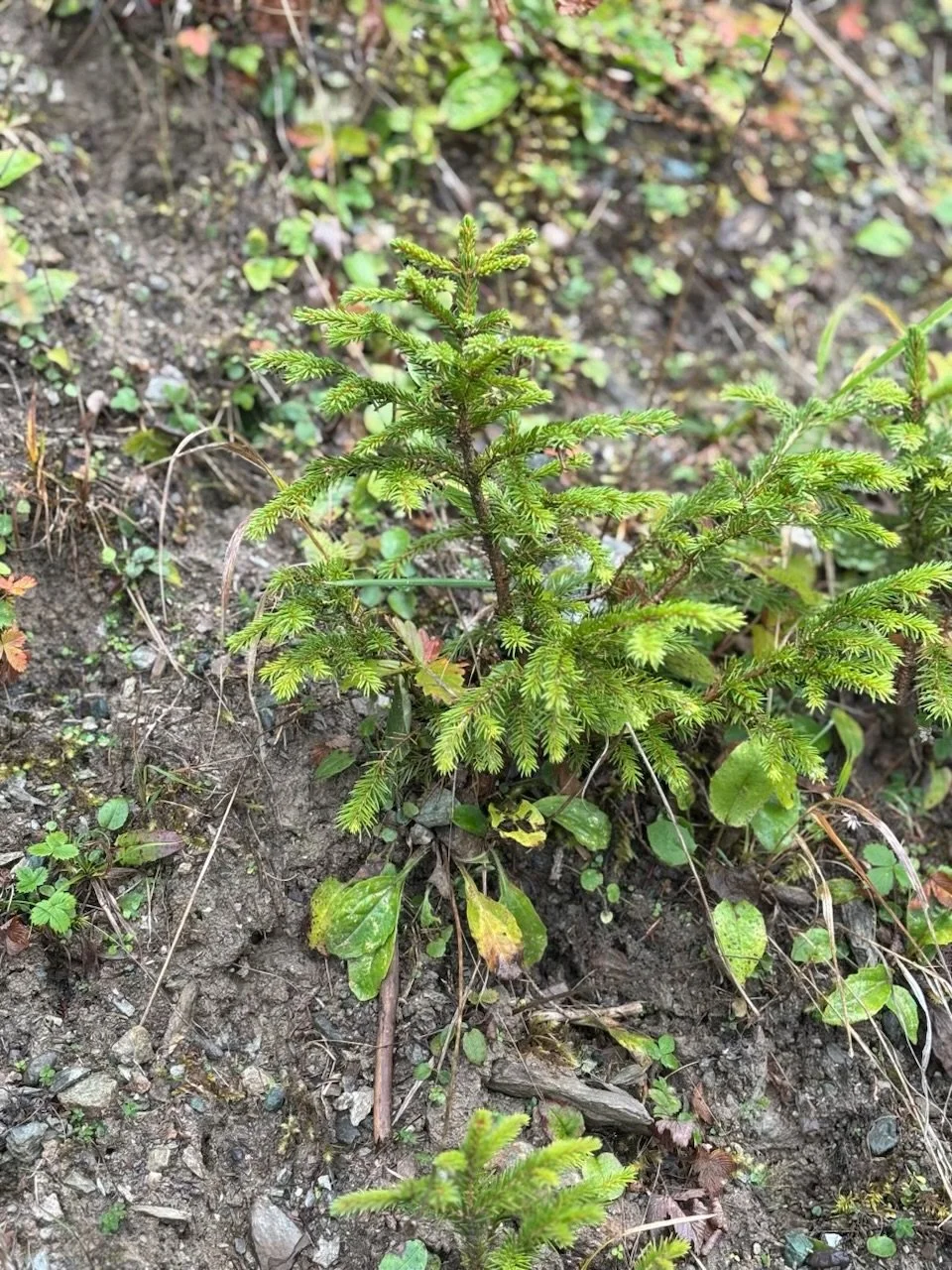
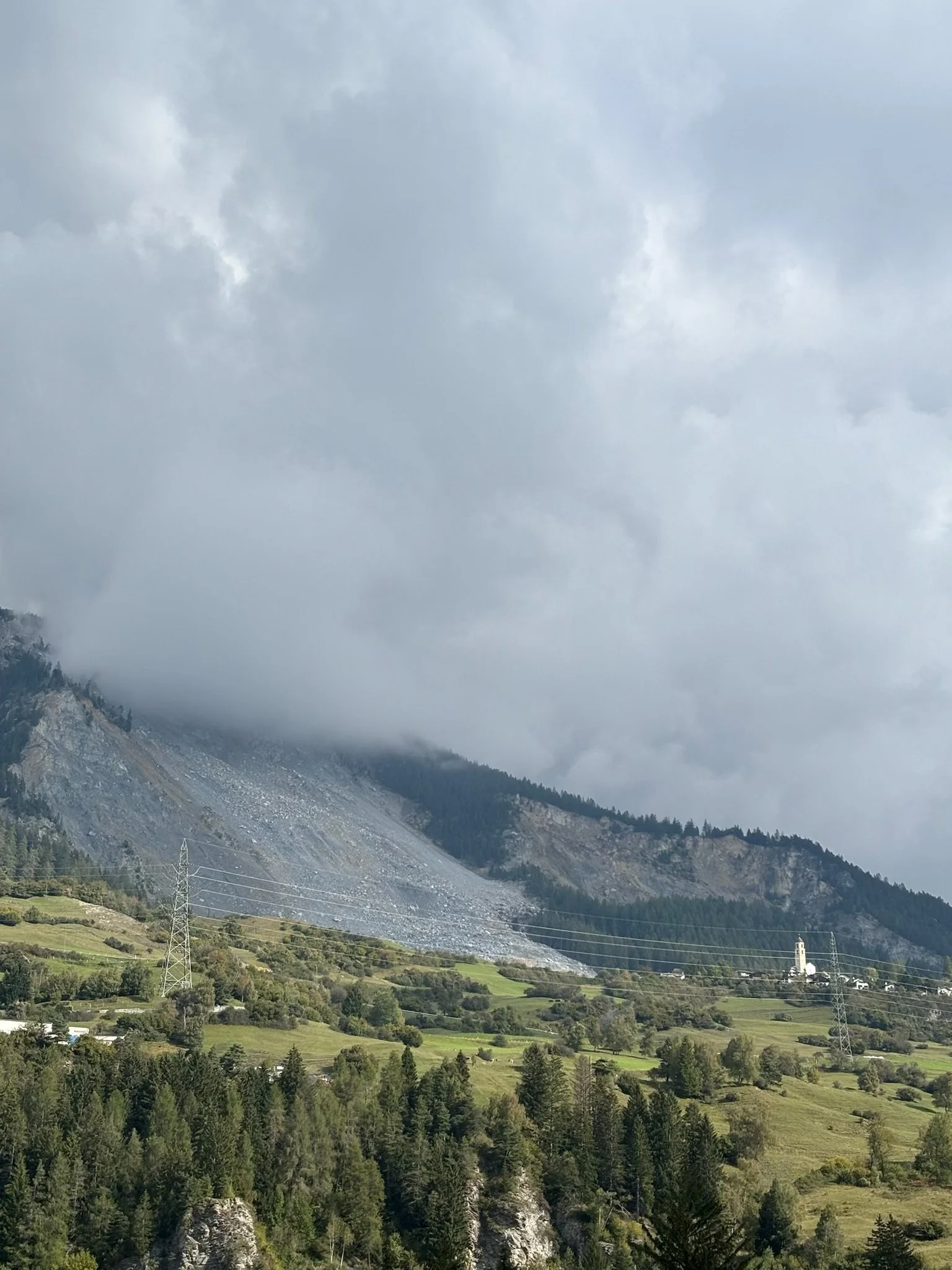
In episode 5, Kathy Reilly sits down with Richard Guler of Tonewood Switzerland and Florinet while visiting their headquarters in Bergun Switzerland. Tonewood Switzerland is known for their exemplary logging practices in a landscape which has practiced sustainable sourcing for over 100 years. We discuss what it is like working within the Swiss government's logging rules as well as how their commitment to the forests health has driven innovation and helped protect these forests from the impacts of climate change. Recognizing that change is inevitable, we discuss how both the availability of resources and the expectations of makers will be forced to shift accordingly.
Attribution:
This season of The Future of Violin Making is proudly sponsored by the Violin Society of America and Vermont Violins and V. Richelieu Instruments.

EPISODE 06
PACIFIC RIM TONEWOOD - PART 01
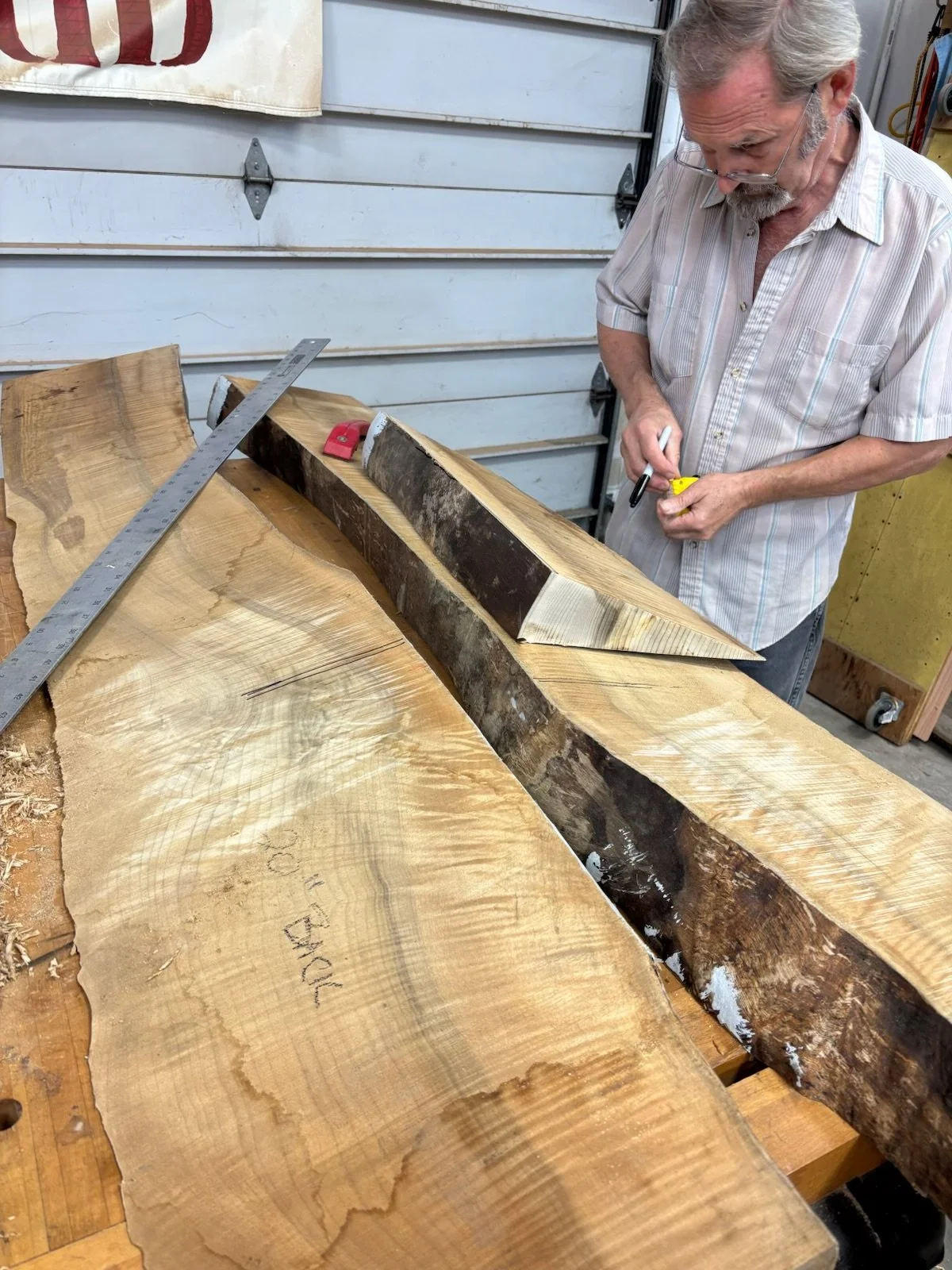
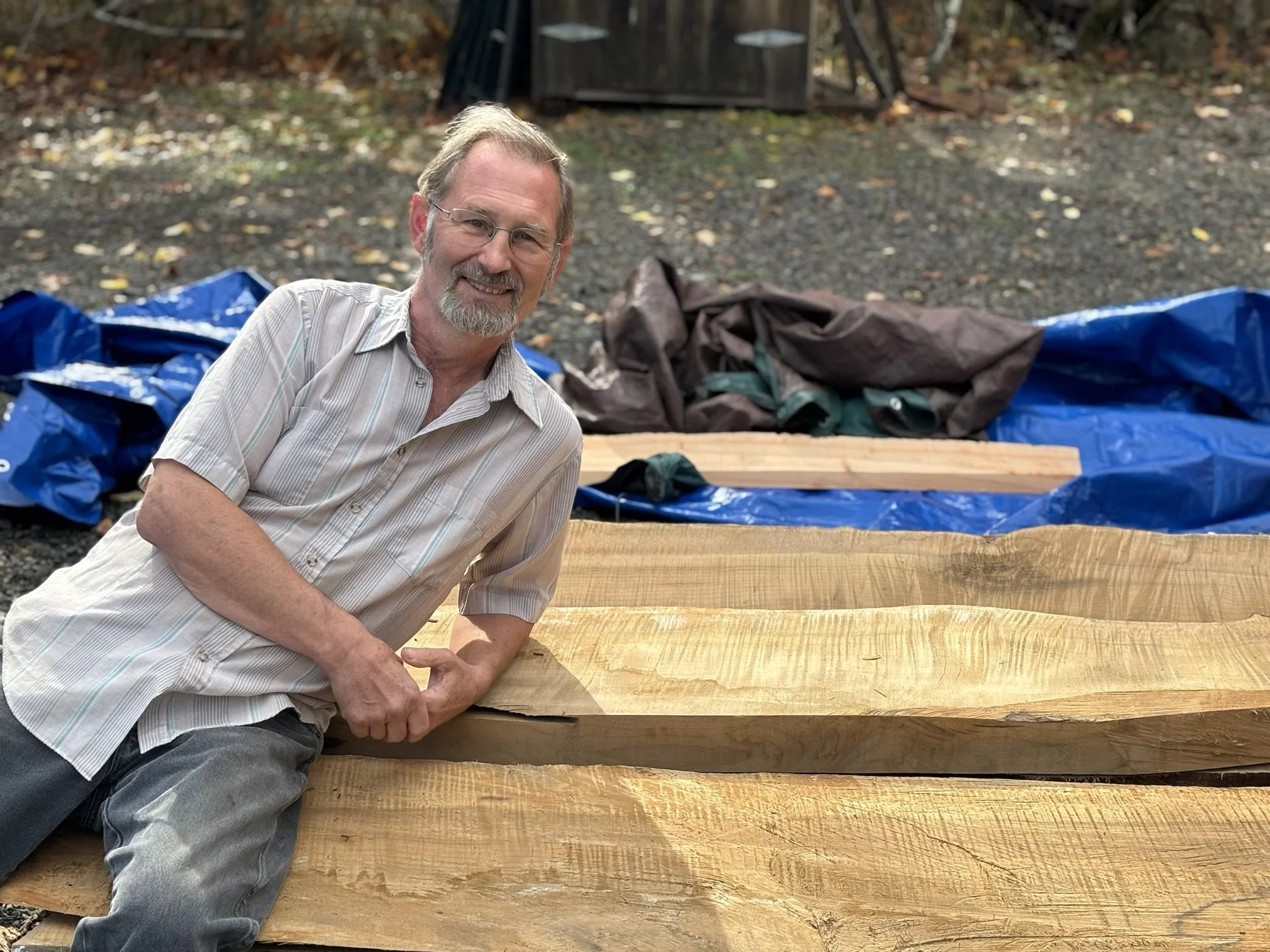
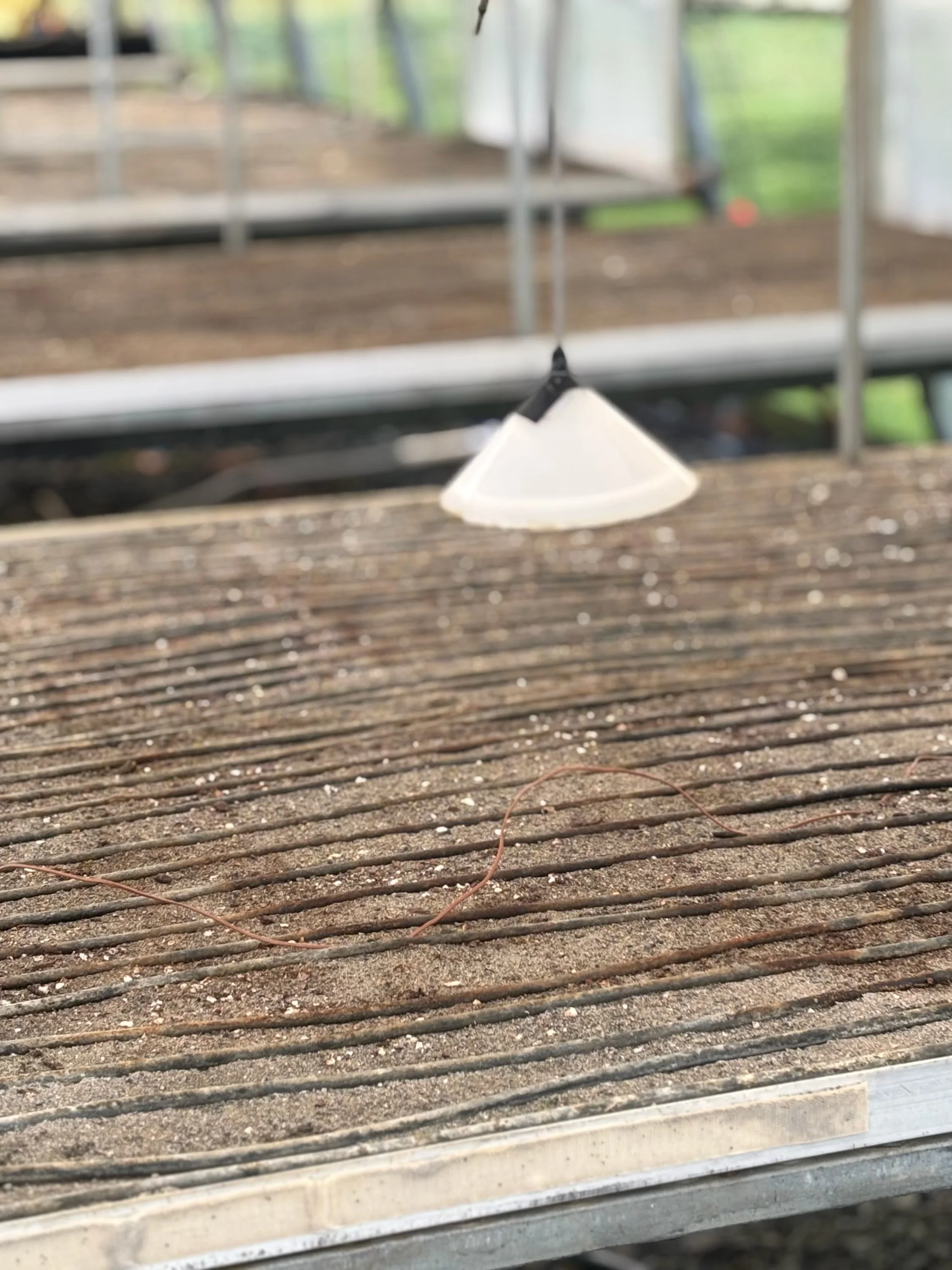
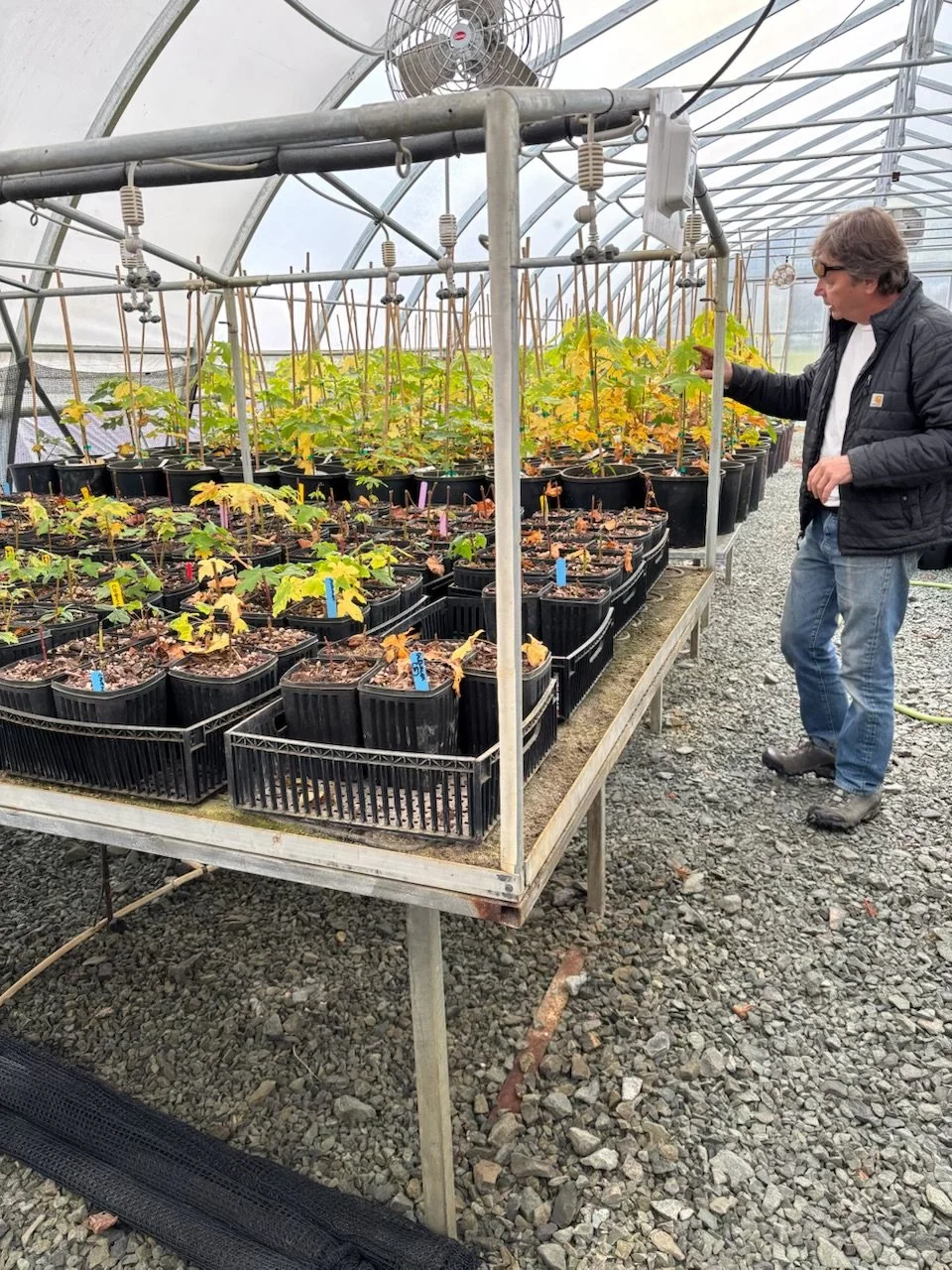
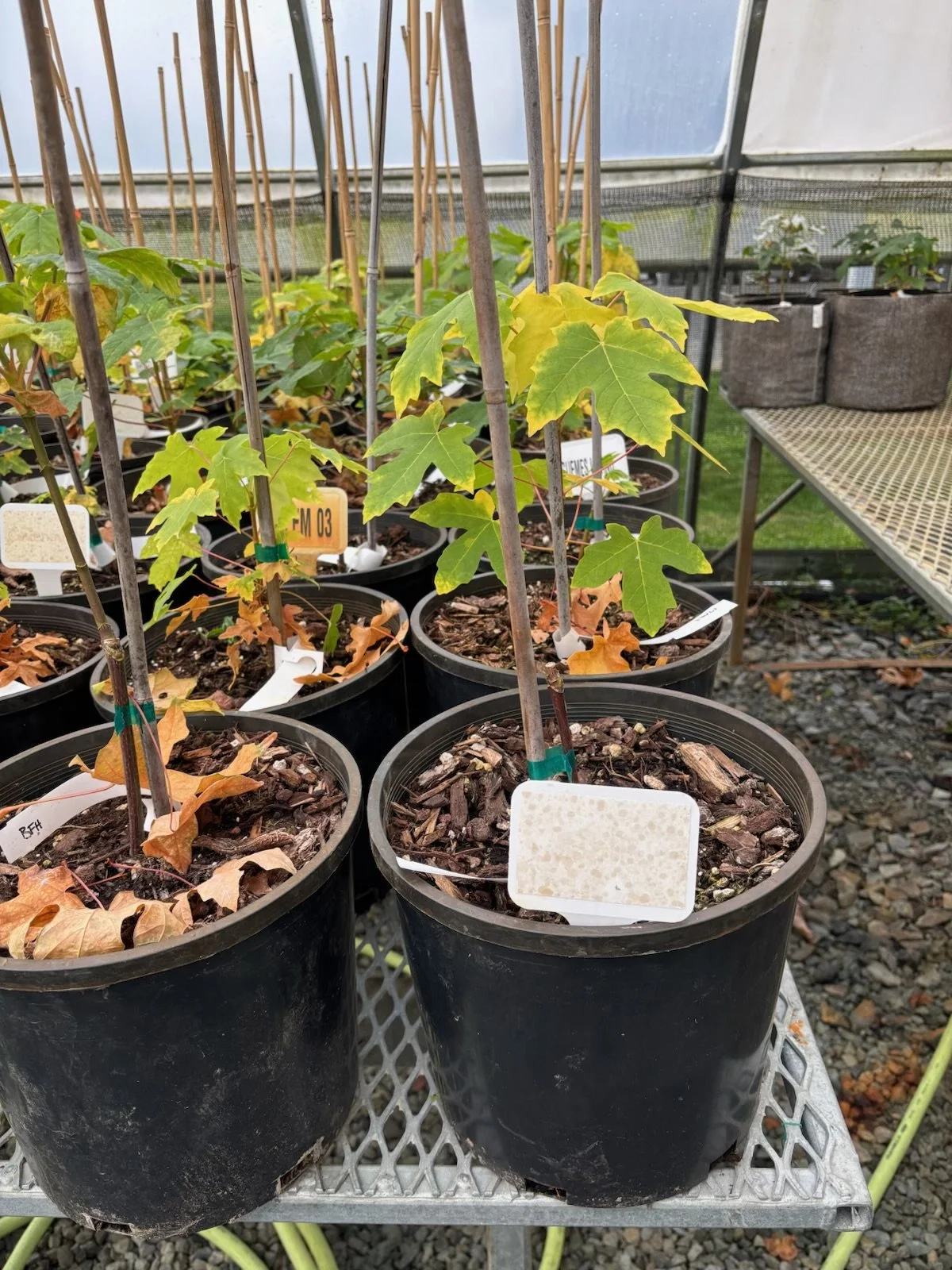
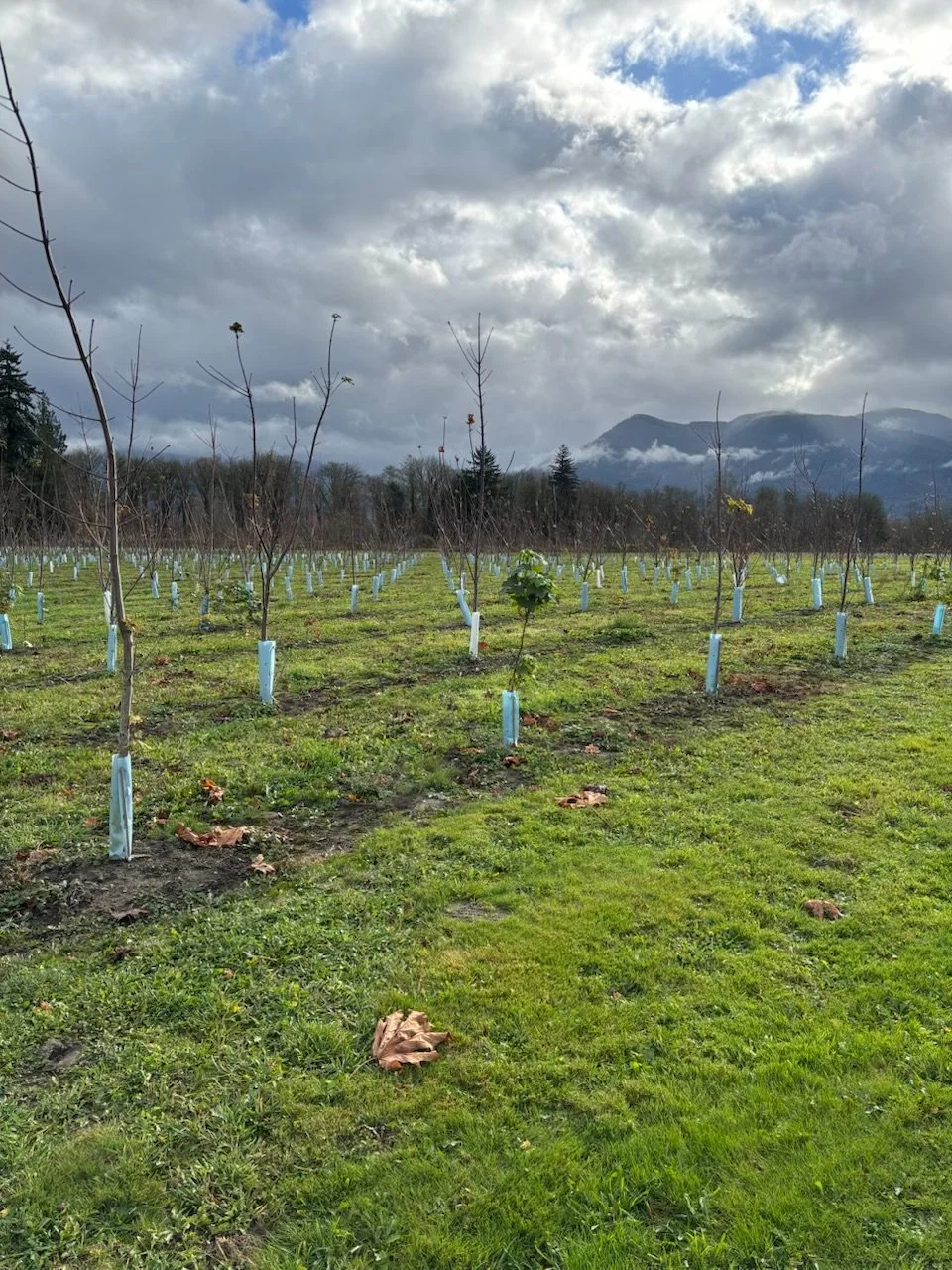
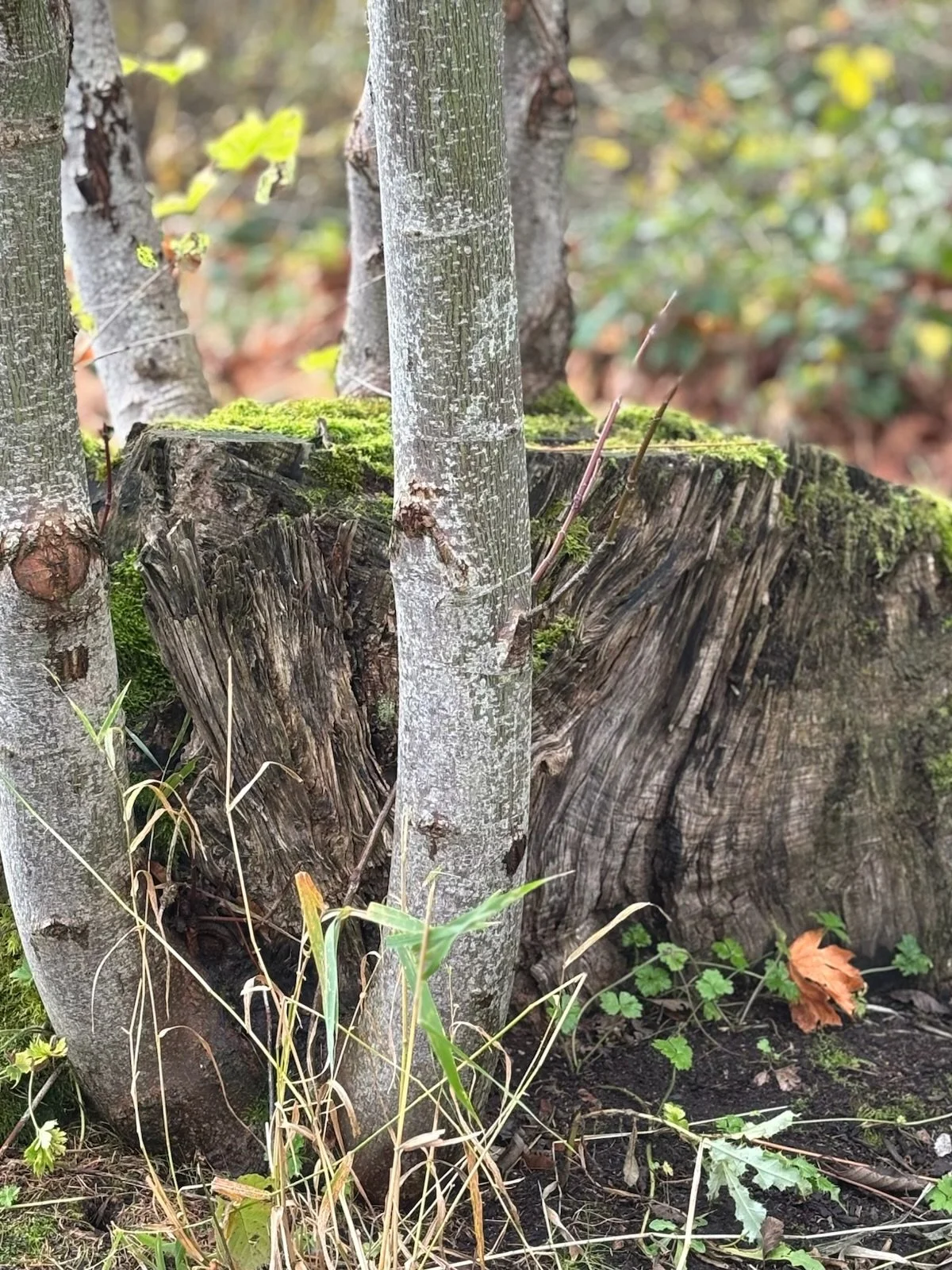
In episode 6, Kathy Reilly talks with Steve McMinn of Pacific Rim Tonewoods, an operation based in the pacific northwest specializing in north american spruce for the instrument making industry. Pacific Rim Tonewoods has invested heavily in the research and development of a sustainable source of figured big leaf maple for the music industry. The diminishing population of big leaf maple in forested landscapes due to douglas fir production has made this a do or die moment for the pacific northwest. We live in a time where we are seeing the direct consequences of commercial forestry, Steve has taken on saving what was once a common species and finding a place where it can thrive and a community to appreciate it. This episode includes part 1 of the interview with Pacific Rim Tonewoods, part 2 is in episode 7 along with an additional interview with Northwest Timber.
Attribution:
This season of The Future of Violin Making is proudly sponsored by the Violin Society of America and Vermont Violins and V. Richelieu Instruments.
EPISODE 07
PACIFIC RIM TONEWOOD - PART 02
In episode 7, we continue the interview with Pacific Rim Tonewoods. Afterwards, we meet Lewis Judy of Northwest Timber to discuss legal sourcing, documentation, and certification. With a long history of working with figured hardwoods of numerous species, Lewis describes his personal experience with sourcing lumber and what documentation is and is not truly available for domestic lumber.
Attribution:
This season of The Future of Violin Making is proudly sponsored by the Violin Society of America and Vermont Violins and V. Richelieu Instruments.
EPISODE 08
BENEDICT PUGLISI
As the latest transformation of customs regulations is implemented, we will experience the shift from product to supply chain scrutiny. Our climate change series focuses on tree species and by association, endangered species. But the larger world of trade has seen a shift in due diligence and COO (country of origin) documentation that includes an emphasis on controlling trade in products made with slave labor and child labor. Benedict’s description are the first to show the darker connection between illegal wood trade and the world of slave and child labor. There is no evidence that the shops he describes in the 1990s in Kalkota were forced labor. However, he does describe child labor and in separate discussions talk about the unusually short life span anticipated for the children making these ebony parts. Benedict notes also towards the end of this podcast that the ebony for these parts comes from Bangladesh. None of our ebony suppliers have listed Bangladesh.
Attribution:
This season of The Future of Violin Making is proudly sponsored by the Violin Society of America and Vermont Violins and V. Richelieu Instruments.
ANNIE PERKINS & THE SUSTAINABLE FORESTRY INITIATIVE (SFI)
What does sustainable wood sourcing actually look like on the ground? Annie Perkins joins us to break down the practical side of the industry: defining true sustainability, mitigating climate change, and monitoring complex supply chains. Since the early 1990s, SFI has been building robust, verifiable supply chains for commercial wood suppliers. Now, we explore how that exact framework could be applied to the specialized world of violin and instrument making.
Video Courtesy Violin Society of America (VSA) Exclusively for the American Viola Society (AVS). Join The VSA for access to ALL their convention videos.
All information about membership is at the VSA Website - See Below: